
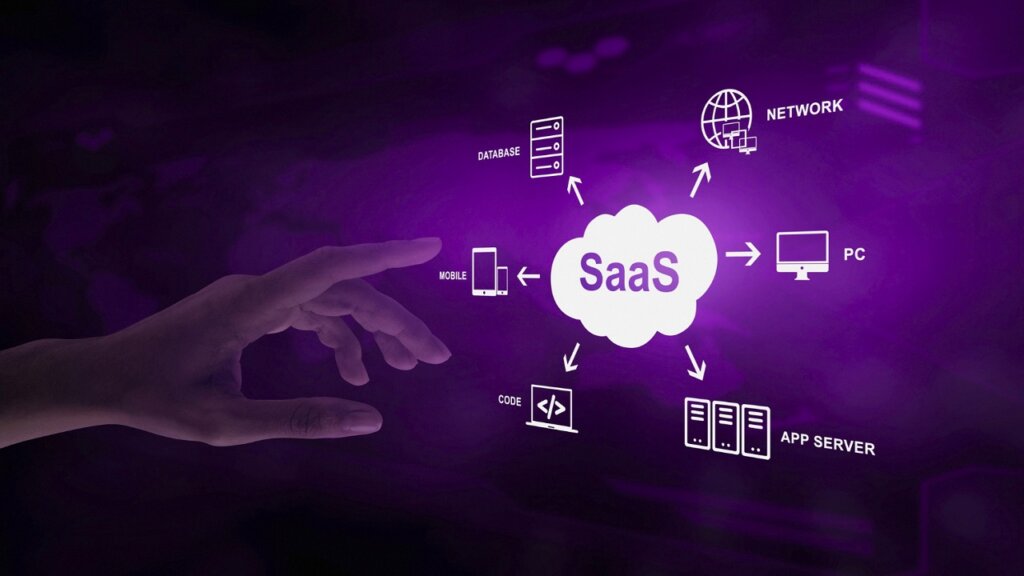
How SaaS is evolving — and what builders, founders, and product teams need to know
The Software‑as‑a‑Service (SaaS) industry continues to be one of the most dynamic segments in technology, with innovation accelerating faster than ever. In 2026, SaaS isn’t just about delivering software over the cloud — it’s about delivering intelligence, outcomes, adaptability, and trust at scale. From AI-powered platforms to new pricing models, here are the top SaaS development trends that will define the year and beyond.
- AI and Machine Learning Integration Become Core to SaaS
Artificial intelligence (AI) is no longer an optional add-on — it’s becoming the foundation for competitive SaaS products. Leading platforms are now embedding machine learning and other AI capabilities directly into core workflows rather than treating them as separate modules. This shift enables a whole new class of features:
- Predictive analytics that anticipate customer behavior
- Intelligent automation that reduces manual tasks
- AI-powered support like chatbots and virtual assistants
- Adaptive personalization that tailors the user experience in real time
With AI deeply integrated, SaaS applications can deliver insights and automation that previously required extensive human intervention. This trend isn’t just about smarter software — it’s about software that thinks, adapts, and proactively drives value.
- Vertical and Micro‑SaaS Take Center Stage
Horizontal SaaS — generic tools meant for many industries — dominated the early SaaS era. In 2026, vertical SaaS (industry-specific solutions) and micro‑SaaS (lightweight niche products) are gaining market share rapidly.
Vertical SaaS tailors functionality according to industry needs — whether healthcare compliance, retail supply chains, or manufacturing workflows — offering deeper value than one-size-fits-all platforms. Meanwhile, micro-SaaS products focus on solving a single, urgent problem for a specific user segment. These solutions often require smaller teams, faster development cycles, and can become highly profitable by addressing well-defined pain points.
- Cloud-Native and Composable Architecture
2026 sees SaaS products built with cloud-native principles and composable architecture:
- Microservices break down apps into independently deployable pieces
- API-first development enables easier integrations and modularity
- Cloud-native infrastructure delivers scalability, resilience, and rapid updates
Composable architecture shifts SaaS away from monolithic suites toward modular building blocks that enterprises can mix and match. This increases flexibility, speeds up innovation, and supports complex enterprise needs without creating technical debt.
- Security as a Competitive Advantage
As SaaS usage grows, the need for robust security and compliance is intensifying. In 2026, organizations expect security by design — not as an afterthought. Key developments include:
- Zero-Trust Security Models — Every user and device must be verified continuously
- AI-Assisted Threat Detection — Machine learning identifies suspicious activity in real time
- Automated Compliance — Built-in auditing and regulatory readiness (e.g., GDPR, HIPAA)
Security is increasingly a differentiator in the SaaS market: buyers choose platforms that can prove they protect data, ensure privacy, and minimize risk.
- Multi-Cloud and Hybrid Deployments
To avoid vendor lock-in and improve resilience, SaaS products are increasingly designed for multi-cloud and hybrid environments. This offers:
- Greater redundancy and uptime
- Cost optimization across cloud providers
- Flexibility to meet enterprise architecture requirements
Supporting multiple cloud platforms also makes SaaS more attractive to global customers with diverse infrastructure needs.
- Emerging Pricing Models: Usage-Based and Outcome-Driven SaaS
Traditional subscription pricing is becoming less dominant. Instead, SaaS companies are experimenting with pricing that aligns cost with actual value delivered:
- Usage-Based Pricing — Customers pay based on how much they use features or resources
- Outcome-As-A-Service (OaAS) — Vendors are paid for delivering specific results rather than just tool access
This evolution means SaaS providers move closer to being partners in business outcomes, not just software vendors. It also improves adoption by lowering initial costs and aligning SaaS value with customer ROI.
- Low-Code and No-Code Integration
Low-code and no-code tools are transforming how SaaS applications are built and customized. These platforms allow non-technical users to:
- Create workflows
- Set up integrations
- Build internal tools
fast — without deep engineering resources. While not replacing traditional development, they accelerate innovation and increase agility, especially for internal SaaS customizations and rapid prototyping.
- Enhanced Observability and Performance Monitoring
With SaaS systems becoming more complex, observability — the ability to monitor behavior across infrastructure, applications, and user interactions — becomes essential. Observability platforms provide real-time diagnostics, predictive alerts, and performance insights that help teams react before issues affect users. When paired with automation, this trend significantly improves reliability and customer satisfaction.
- Hyper-Personalization and UX Focus
Users today expect software that feels personal. Hyper-personalization — powered by AI and data insights — goes beyond basic customization to:
- Tailor UI components based on user role
- Highlight relevant features proactively
- Offer contextual help and recommendations
SaaS products that deliver a smooth, intuitive experience gain stronger adoption, lower churn, and higher satisfaction. This trend impacts product design, onboarding flows, and in-app messaging strategies.
- Sustainability and Ethical Tech Practices
Customers, investors, and regulators are increasingly demanding SaaS vendors adopt sustainable infrastructure and ethical AI practices. This includes:
- Reducing carbon footprints in data centers
- Ensuring transparent, accountable AI decisions
- Being mindful of privacy and data fairness
Sustainability is not just good ethics — it’s becoming part of brand value and competitive differentiation.
Conclusion: The Next Frontier of SaaS Innovation
2026 promises to be a landmark year for SaaS development. It’s a shift from simple cloud delivery to smart, secure, outcome-focused, and highly personalized software experiences. AI, industry specialization, flexible pricing, and cloud-native architecture will define winners and losers in this new SaaS era.
Whether you’re building the next SaaS unicorn or enhancing enterprise products, understanding these trends can guide your roadmap, investment decisions, and product strategy. SaaS in 2026 is not just about making software available — it’s about making software indispensable.

At Techratan, we bring you the latest updates from the world of technology and startups—covering breaking news, trends, funding updates, and industry insights. Our mission is to empower readers with accurate, timely, and engaging content that helps them stay ahead in the ever-changing tech landscape. Whether you’re an entrepreneur, investor, or tech enthusiast, Techrata is your trusted source for innovation-driven news.