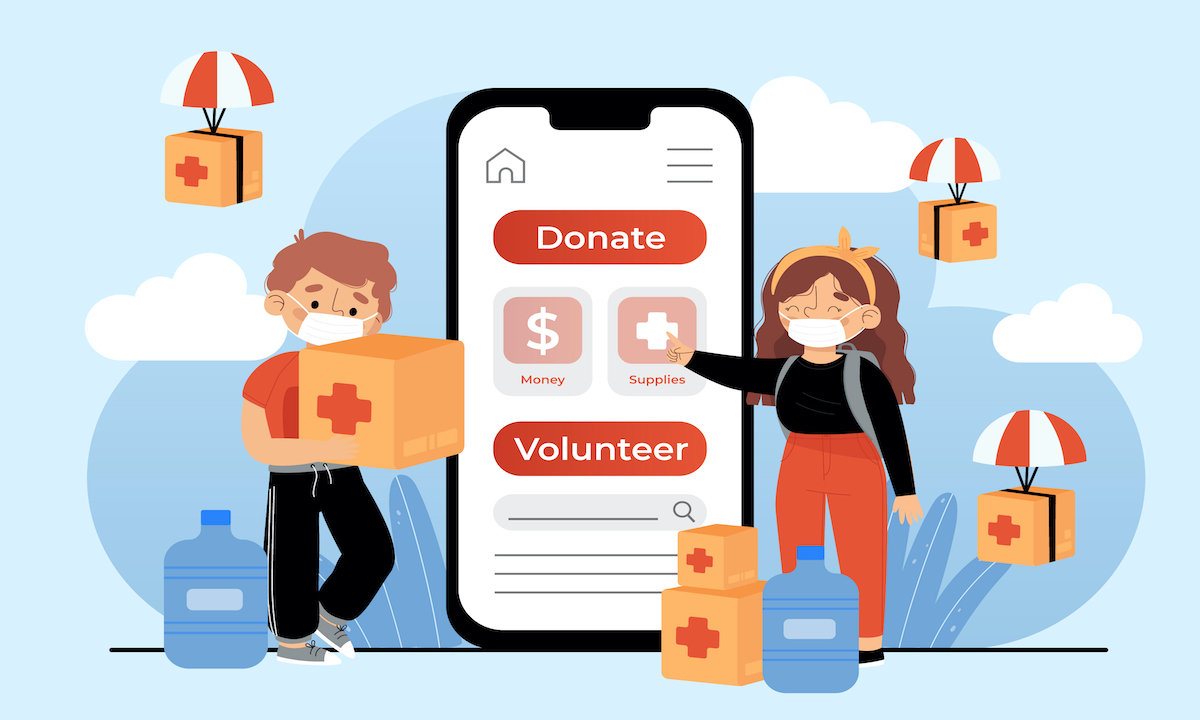
Food waste and hunger are two problems that strangely coexist in today’s world. While restaurants, hotels, and households discard tons of edible food daily, millions of people struggle to get even one nutritious meal. Modern IT technologies offer a powerful bridge between these two extremes, and mobile applications are leading that transformation. In this blog, we’ll explore how to plan, design, and develop a food donation app using the latest technologies, while keeping scalability, security, and real-world impact in mind.
- Understanding the Core Idea Behind a Food Donation App
- Planning the App with the Right Technology Stack
- Choosing the Right Development Partner
- Key Features Every Food Donation App Should Include
- Role of Modern IT Technologies in App Efficiency
- Designing a User-Friendly Interface
- Ensuring Security and Compliance
- Building the Right Team
- Estimating Development Cost and Timeline
- Launching, Scaling, and Making an Impact
- Final Thoughts
Understanding the Core Idea Behind a Food Donation App
Before writing a single line of code, it’s important to clearly define the purpose of your app. A food donation app connects food donors—such as restaurants, event organizers, grocery stores, or individuals—with NGOs, shelters, and volunteers who can distribute surplus food efficiently. To Build a food donation app that truly makes a difference, your idea must focus on speed, trust, safety, and ease of use for all parties involved.
Planning the App with the Right Technology Stack
Strong planning is the backbone of successful food donation app development. Modern IT technologies allow developers to create apps that are fast, reliable, and scalable. Cloud platforms like AWS or Google Cloud help manage large volumes of real-time data, while frameworks such as React Native or Flutter enable cross-platform development. A well-planned tech stack ensures smooth performance, even during peak usage hours or emergency situations.
Choosing the Right Development Partner
Working with an experienced food donation app development company can save you time, resources, and costly mistakes. Such companies understand not only the technical side but also the social responsibility aspect of these platforms. They help translate your idea into a secure, user-friendly product while ensuring compliance with food safety and data protection regulations.
Key Features Every Food Donation App Should Include
A successful app needs features that serve donors, receivers, and administrators equally well. User registration and verification build trust, while real-time food listing allows donors to upload details such as quantity, location, and expiry time. GPS integration helps volunteers locate donations quickly. Admin dashboards provide oversight, analytics, and reporting tools. Many of the Top food donation app development companies recommend starting with an MVP and gradually adding advanced features based on user feedback.
Role of Modern IT Technologies in App Efficiency
Modern IT technologies dramatically enhance app performance and reliability. Artificial intelligence can help match donors with nearby NGOs automatically. Data analytics can identify food waste patterns and optimize donation routes. Cloud computing ensures uptime and scalability, while APIs enable integration with third-party tools like maps, notifications, and even food delivery app development services when logistics support is required.
Designing a User-Friendly Interface
UI/UX design plays a critical role in adoption. The app must be intuitive enough for first-time users, including elderly donors or volunteers with limited technical experience. Clear call-to-action buttons, minimal forms, and simple navigation improve engagement. Inspiration can even come from unexpected areas like food truck website app development, where speed and clarity are essential for on-the-go users.
Ensuring Security and Compliance
Because food donation apps handle sensitive information such as locations, contact details, and sometimes financial data, security cannot be overlooked. Implementing encryption, secure authentication, and role-based access protects users and builds credibility. Collaboration with a food waste management app development company can also help align the platform with regional food safety laws and sustainability standards.
Building the Right Team
Your app is only as strong as the team behind it. From backend developers and UI designers to QA testers and DevOps engineers, each role matters. Many startups choose to hire food donation app developers who have prior experience in social impact or logistics-based platforms, as they better understand real-world operational challenges.
Estimating Development Cost and Timeline
Budget planning is a critical step in any app project. The food donation app development cost depends on factors such as app complexity, number of platforms, features, and the technology stack used. A basic MVP may take a few months, while a fully featured app with AI, analytics, and logistics integration can take longer. Transparent cost estimation helps avoid surprises later.
Launching, Scaling, and Making an Impact
Once development is complete, the launch phase involves testing, user onboarding, and community outreach. Scaling the app requires continuous monitoring, updates, and user support. With the right technology and strategy, your app can expand across cities or even countries, helping reduce food waste and hunger at a much larger scale.
Final Thoughts
Building a food donation app is more than a technical project—it’s a mission with social impact. By leveraging modern IT technologies, thoughtful design, and the right development approach, you can create a platform that not only functions smoothly but also changes lives. With careful planning, strong partnerships, and a focus on real-world problems, your food donation app can become a powerful tool for good.

At Techratan, we bring you the latest updates from the world of technology and startups—covering breaking news, trends, funding updates, and industry insights. Our mission is to empower readers with accurate, timely, and engaging content that helps them stay ahead in the ever-changing tech landscape. Whether you’re an entrepreneur, investor, or tech enthusiast, Techrata is your trusted source for innovation-driven news.

Leave a Reply