PAT Testing in North London: Essential Electrical Safety for Homes and Businesses
Electrical safety is a legal and practical responsibility for landlords, employers, and business owners throughout the UK. In a large and diverse area like North London—covering residential neighbourhoods, offices, schools, retail spaces, and construction sites—electrical appliances are used daily. Ensuring these appliances are safe is where PAT Testing in North London becomes essential.
- What Is PAT Testing?
- Why Is PAT Testing Important in North London?
- Reduces Electrical Risks
- Supports Legal Compliance
- Protects People and Property
- Helps Meet Insurance Requirements
- Is PAT Testing a Legal Requirement?
- Who Needs PAT Testing in North London?
- Landlords & Letting Agents
- Businesses & Offices
- Shops, Cafés & Restaurants
- Schools & Nurseries
- Construction & Trades
- Community & Public Buildings
- How Often Should PAT Testing Be Carried Out?
- What Happens During a PAT Test?
- Benefits of Using a Professional PAT Testing Service in North London
- Cost of PAT Testing in North London
- Common PAT Testing Mistakes to Avoid
- FAQs
- What does PAT testing stand for?
- 2. Is PAT testing mandatory in North London?
- Who can carry out PAT testing?
- How long does PAT testing take?
- Do landlords need PAT testing?
- Do homeowners need PAT testing?
- What happens if an appliance fails?
- Are extension leads included in PAT testing?
- Will PAT testing disrupt my business?
- Do I receive a PAT testing certificate?
Portable Appliance Testing (PAT) helps identify electrical faults, reduce the risk of fires, and protect people from electric shock. This guide explains what PAT testing is, why it matters in North London, who needs it, how often it should be carried out, and answers the most common questions.
What Is PAT Testing?
PAT Testing, or Portable Appliance Testing, is the process of inspecting and testing electrical appliances to ensure they are safe to use. It involves a combination of visual inspections and electrical tests using specialised PAT testing equipment.
Appliances commonly tested include:
-
Computers, monitors, and office equipment
-
Kettles, microwaves, and kitchen appliances
-
Extension leads and power strips
-
Heaters, fans, and portable heaters
-
Tools and portable machinery
-
Chargers, televisions, and other electrical devices
PAT testing identifies faults that may not be visible but could cause injury, fire, or equipment failure.
Why Is PAT Testing Important in North London?
North London includes busy residential areas, rental properties, commercial spaces, and public buildings. Many properties rely on a high number of electrical appliances, making regular testing vital.
Reduces Electrical Risks
Faulty appliances are a common cause of fires and workplace accidents. PAT testing helps detect issues early.
Supports Legal Compliance
UK health and safety laws require electrical equipment to be maintained safely.
Protects People and Property
Regular testing protects tenants, employees, customers, and visitors from harm.
Helps Meet Insurance Requirements
Insurance companies often request PAT testing records following incidents.
Is PAT Testing a Legal Requirement?
PAT testing itself is not named as a legal requirement, but electrical safety is mandatory under UK law.
Key legislation includes:
-
Health and Safety at Work Act 1974
-
Electricity at Work Regulations 1989
-
Landlord safety obligations under housing legislation
PAT testing is the most widely accepted way to demonstrate compliance with these regulations.
Who Needs PAT Testing in North London?
PAT testing is recommended or required for a wide range of individuals and organisations:
Landlords & Letting Agents
Landlords must ensure that all supplied electrical appliances in rental properties are safe.
Businesses & Offices
Employers are responsible for the safety of electrical equipment used by staff.
Shops, Cafés & Restaurants
Frequent appliance use increases wear and risk, making regular testing essential.
Schools & Nurseries
Protecting children and staff from electrical hazards is a top priority.
Construction & Trades
Portable tools require frequent PAT testing due to tough working conditions.
Community & Public Buildings
Libraries, halls, charities, and places of worship also require testing.
How Often Should PAT Testing Be Carried Out?
There is no fixed rule for testing frequency. It depends on the environment and appliance type:
-
Offices: every 1–2 years
-
Rental properties: annually or between tenancies
-
Shops and restaurants: annually
-
Construction sites: every 3–6 months
-
Low-risk equipment (e.g. desktop computers): every 2–4 years
A professional PAT testing company in North London can advise on the most suitable schedule.
What Happens During a PAT Test?
A standard PAT testing service includes:
Visual Inspection
Checking plugs, cables, sockets, and appliance casings for damage or wear.
Electrical Testing
Using calibrated equipment to test earth continuity, insulation resistance, and polarity.
Appliance Labelling
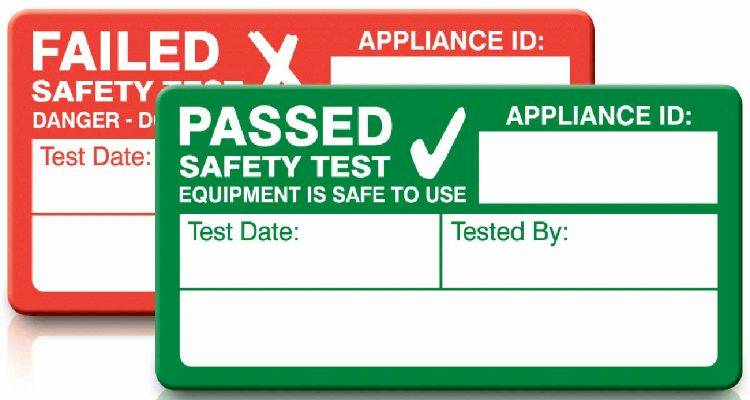
Each appliance is labelled with a pass or fail result, test date, and next due date.
Reports & Certification
A detailed PAT testing report is provided for compliance and record-keeping.
Benefits of Using a Professional PAT Testing Service in North London
Hiring a professional PAT testing provider offers many benefits:
-
Qualified and experienced testers
-
Fast and efficient testing with minimal disruption
-
Same-day reports and certificates
-
Competitive pricing for bulk testing
-
Full compliance with UK safety standards
Professional services are especially useful for businesses with many appliances.
Cost of PAT Testing in North London
The cost of PAT testing varies depending on:
-
Number of appliances
-
Type of property or business
-
Accessibility and layout
-
Frequency of testing
Most providers charge per appliance, often offering discounts for larger quantities. PAT testing is an affordable way to reduce serious safety risks.
Common PAT Testing Mistakes to Avoid
PAT Testing in North London is an essential part of maintaining electrical safety for landlords, businesses, and organisations. Regular testing reduces risks, ensures compliance with UK regulations, and provides peace of mind.
By choosing a professional PAT testing service in North London, you protect people, property, and your legal responsibilities—making electrical safety a priority now and in the future.
-
Assuming new appliances don’t need testing
-
Ignoring damaged plugs or cables
-
Failing to keep PAT testing records
-
Using unqualified testers
-
Missing retesting deadlines
Avoiding these mistakes ensures ongoing safety and compliance.
FAQs
What does PAT testing stand for?
PAT stands for Portable Appliance Testing.
2. Is PAT testing mandatory in North London?
Electrical safety is legally required, and PAT testing is the recognised method to comply.
Who can carry out PAT testing?
A competent and trained person with appropriate equipment can perform PAT testing.
How long does PAT testing take?
Most appliances take a few seconds to test. Larger sites may take several hours.
Do landlords need PAT testing?
Yes, landlords must ensure supplied appliances are safe for tenants.
Do homeowners need PAT testing?
Private homeowners don’t usually need PAT testing unless running a business from home.
What happens if an appliance fails?
Failed appliances should be repaired or replaced and not used until safe.
Are extension leads included in PAT testing?
Yes, extension leads and power strips should always be tested.
Will PAT testing disrupt my business?
No, professional testers work efficiently to minimise disruption.
Do I receive a PAT testing certificate?
Yes, a full report and certificate are provided after testing.

At Techratan, we bring you the latest updates from the world of technology and startups—covering breaking news, trends, funding updates, and industry insights. Our mission is to empower readers with accurate, timely, and engaging content that helps them stay ahead in the ever-changing tech landscape. Whether you’re an entrepreneur, investor, or tech enthusiast, Techrata is your trusted source for innovation-driven news.