How to Build a Multi-Vendor Food Delivery App Like Uber Eats
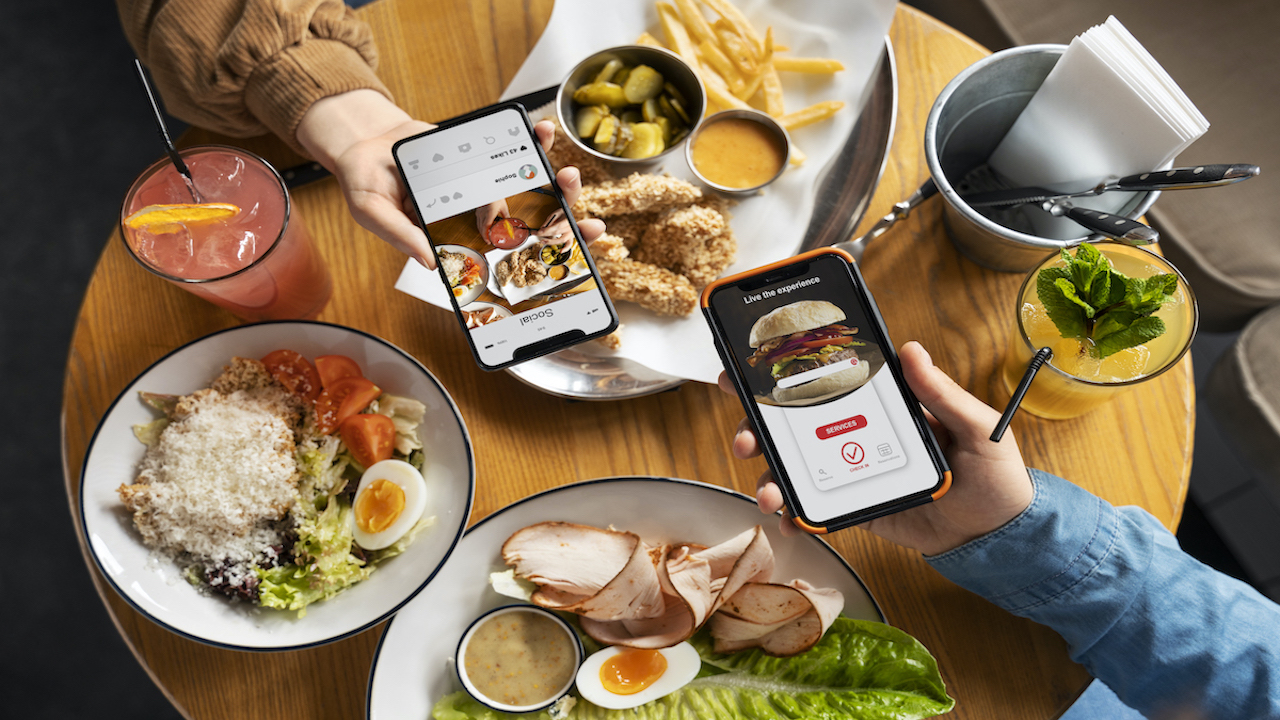
The digital food delivery industry has experienced unprecedented growth in recent years. Consumers now expect seamless online ordering, real-time tracking, and multiple vendor options at their fingertips. If you’re considering entering this booming market, building a multi-vendor food delivery app like Uber Eats is an exciting opportunity. In this guide, we’ll walk you through everything you need to know—from planning and design to development and deployment.
- Understanding Multi-Vendor Food Delivery Apps
- Essential Features of a Multi-Vendor Food Delivery App
- Steps to Build a Multi-Vendor Food Delivery App
- 1. Conduct Market Research
- 2. Choose the Right Technology Stack
- 3. Design an Intuitive UI/UX
- 4. Development Phase
- 5. Testing and Quality Assurance
- 6. Deployment and Launch
- How Much Does It Cost to Build a Multi-Vendor Food Delivery App?
- Hiring the Right Team
- Examples of Top Food Delivery App Development Companies
- Additional Considerations
- Food Truck Website Development Services
- Food Donation App Development & Food Waste Management
- Marketing and Growth
- Conclusion
Understanding Multi-Vendor Food Delivery Apps
A multi-vendor food delivery app allows multiple restaurants or food outlets to register and sell their products through a single platform. Unlike single-vendor apps, which cater to one restaurant, multi-vendor platforms provide variety, convenience, and competitive advantages for users.
Key components of such apps include:
-
User App: For customers to browse restaurants, place orders, and track deliveries.
-
Vendor App: For restaurants to manage menus, receive orders, and handle logistics.
-
Delivery Partner App: For couriers to accept orders, navigate routes, and update order status.
-
Admin Panel: For app owners to monitor transactions, manage users, and ensure smooth operations.
Essential Features of a Multi-Vendor Food Delivery App
Building a multi-vendor app requires a combination of core and advanced features:
-
User Registration & Profiles – Secure sign-up and personalized profiles for better engagement.
-
Restaurant Listings & Menu Management – Vendors can showcase their dishes with images, descriptions, and prices.
-
Real-Time Order Tracking – Customers can see the exact status of their orders and estimated delivery times.
-
Multiple Payment Options – Integration of credit/debit cards, digital wallets, and cash on delivery.
-
Ratings & Reviews – Customers can rate restaurants and leave feedback.
-
Push Notifications – Alerts for order confirmation, delivery updates, and promotions.
-
Admin Analytics – Insightful dashboards for monitoring sales, order trends, and vendor performance.
Steps to Build a Multi-Vendor Food Delivery App
1. Conduct Market Research
Before diving into development, research your target audience, competitors, and regional food delivery trends. Understanding user preferences, peak order times, and popular cuisines will help shape your app’s features.
2. Choose the Right Technology Stack
The technology stack forms the backbone of your app. For a scalable solution, consider technologies like React Native or Flutter for cross-platform apps, Node.js or Django for backend development, and MongoDB or PostgreSQL for database management.
3. Design an Intuitive UI/UX
User experience is critical in food delivery apps. Simplified navigation, appealing visuals, and easy checkout processes can significantly boost conversion rates. Vendors also need a simple, efficient dashboard to manage their offerings.
4. Development Phase
Now comes the actual food delivery app development. You can either build it in-house or collaborate with a food delivery app development company. A professional company can provide a team of developers, designers, and project managers to ensure timely delivery and high-quality performance.
5. Testing and Quality Assurance
Testing ensures your app functions smoothly across devices. Include beta testing with real users to identify bugs, optimize loading times, and improve the overall user experience.
6. Deployment and Launch
Once testing is complete, launch your app on iOS and Android stores. Make sure to implement marketing strategies to attract both vendors and customers.
How Much Does It Cost to Build a Multi-Vendor Food Delivery App?
The food delivery app development cost depends on various factors like platform choice, number of features, design complexity, and location of your development team. A basic multi-vendor app could start around $20,000–$30,000, while a feature-rich app like Uber Eats can exceed $100,000.
Hiring the Right Team
To Build a food delivery app successfully, you need skilled developers who understand the nuances of food delivery platforms. You can hire food delivery app developers through professional agencies or freelance networks. Ensure they have experience with multi-vendor systems, real-time tracking, and secure payment integrations.
Examples of Top Food Delivery App Development Companies
Working with experienced teams can save time and reduce risks. Top food delivery app development companies have a track record of delivering scalable apps with excellent UI/UX, seamless integration, and robust backend systems. Look for portfolios showcasing apps similar to Uber Eats, DoorDash, or Zomato.
Additional Considerations
Food Truck Website Development Services
If your platform wants to include mobile food vendors, integrating food truck website development services can help vendors create an online presence while connecting to your app for orders.
Food Donation App Development & Food Waste Management
Sustainability is a growing concern. Partnering with food donation app development initiatives or a food waste management app development company can help your platform reduce waste and give back to communities. This also adds a socially responsible angle that resonates with customers.
Marketing and Growth
To stand out in a crowded market, focus on targeted marketing, referral programs, and loyalty incentives. Social media campaigns, influencer partnerships, and strategic promotions can drive downloads and active usage.
Conclusion
Building a multi-vendor food delivery app like Uber Eats is a complex but highly rewarding venture. By focusing on user-friendly design, robust backend architecture, and scalable features, you can create a platform that serves both customers and vendors efficiently. With the right development team, budget planning, and marketing strategies, your app can tap into the ever-growing food delivery market.
Invest in research, choose your development partners wisely, and keep an eye on emerging trends like AI-driven recommendations, real-time tracking, and sustainable delivery solutions. This approach ensures your multi-vendor food delivery app is not only functional but also competitive in today’s fast-paced digital marketplace.

At Techratan, we bring you the latest updates from the world of technology and startups—covering breaking news, trends, funding updates, and industry insights. Our mission is to empower readers with accurate, timely, and engaging content that helps them stay ahead in the ever-changing tech landscape. Whether you’re an entrepreneur, investor, or tech enthusiast, Techrata is your trusted source for innovation-driven news.