Top Technologies Used in Food Donation App Development
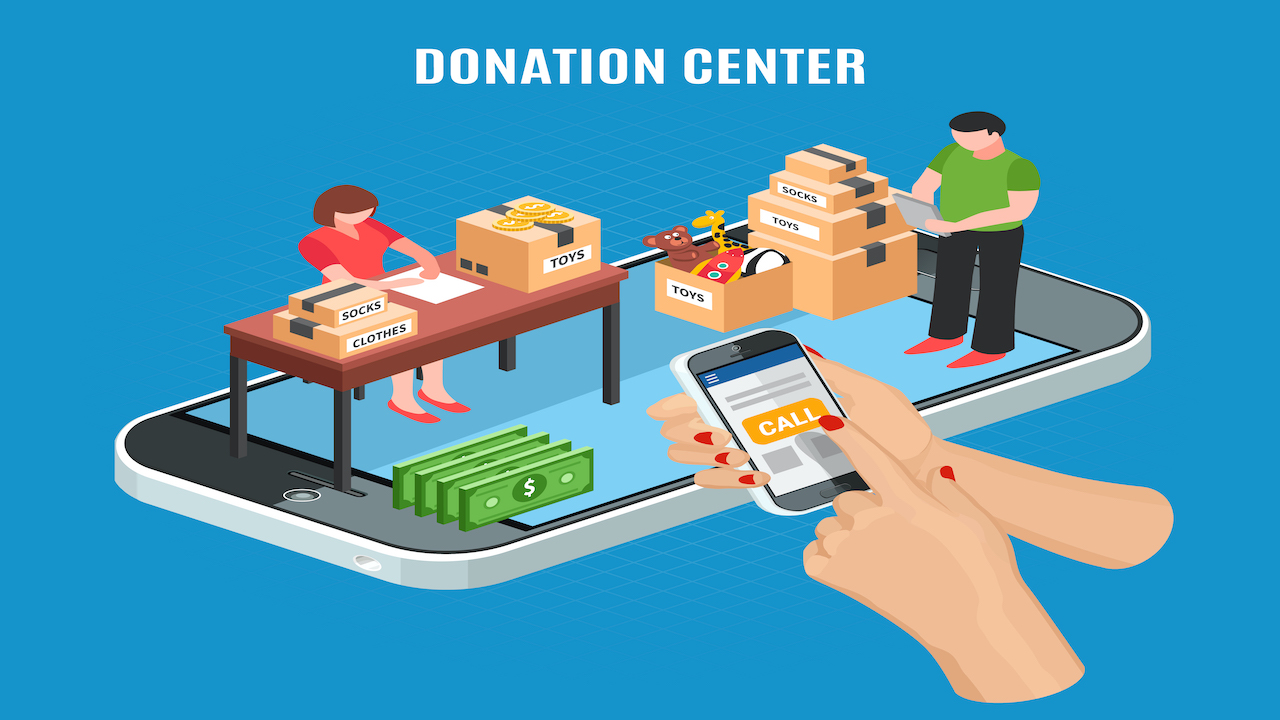
Food donation platforms are transforming the way communities reduce waste and fight hunger. With millions of tons of edible food discarded every year, technology plays a vital role in connecting restaurants, grocery stores, NGOs, volunteers, and beneficiaries through smart digital solutions. Businesses and nonprofits investing in food donation app development services are leveraging modern technologies to create scalable, secure, and efficient platforms that streamline food redistribution.
- 1. Mobile App Development Technologies
- 2. Backend Development Technologies
- 3. Cloud Computing Platforms
- 4. GPS & Geolocation Services
- 5. Real-Time Communication Technologies
- 6. Database Management Systems
- 7. Artificial Intelligence & Machine Learning
- 8. Payment Gateway Integration
- 9. Admin Dashboard & Web Technologies
- 10. DevOps & Deployment Technologies
- 11. Security Technologies
- 12. API Integrations
- 13. Analytics & Reporting Tools
- 14. Scalability & Multi-Tenant Architecture
- 15. Industry-Specific Technology Integrations
- Factors Influencing Technology Selection
- Conclusion
In this blog, we’ll explore the top technologies used in food donation app development and how they help build impactful, future-ready applications.
1. Mobile App Development Technologies
A food donation platform must be accessible, fast, and user-friendly. Most modern apps are built using:
Native Technologies
- Swift (iOS)
- Kotlin (Android)
Native development ensures high performance, better security, and seamless integration with device features like GPS and push notifications.
Cross-Platform Frameworks
- Flutter
- React Native
Cross-platform solutions reduce development time and allow businesses to launch apps on both Android and iOS simultaneously. Many startups choose these frameworks to optimize food donation app development cost while maintaining quality.
2. Backend Development Technologies
The backend is the backbone of any food donation app. It manages user authentication, donation listings, location tracking, notifications, and data storage.
Popular backend technologies include:
- Node.js
- Python (Django, Flask)
- Ruby on Rails
- PHP (Laravel)
These technologies support real-time updates, scalability, and secure data processing. A reliable food donation app development company typically selects backend architecture based on expected traffic and scalability needs.
3. Cloud Computing Platforms
Cloud infrastructure ensures high availability and scalability. Food donation apps often experience usage spikes during emergencies or special campaigns.
Leading cloud platforms include:
- Amazon Web Services (AWS)
- Google Cloud Platform
- Microsoft Azure
Cloud hosting enables secure storage of user data, donation records, and transaction logs. It also allows seamless scaling as the platform grows.
4. GPS & Geolocation Services
Location-based matching is essential for connecting donors with nearby NGOs or volunteers. Technologies used include:
- Google Maps API
- Mapbox
- OpenStreetMap
Geolocation services help users find the closest pickup point, track deliveries, and reduce transportation time. These features significantly improve operational efficiency and user satisfaction.
5. Real-Time Communication Technologies
Effective communication between donors, recipients, and delivery partners is critical. Real-time technologies include:
- Firebase Realtime Database
- WebSockets
- Socket.io
These tools enable instant notifications, status updates, and live tracking. For example, when a restaurant posts surplus food, nearby NGOs receive immediate alerts.
6. Database Management Systems
Food donation apps handle various types of data, including user profiles, donation history, analytics, and compliance documentation.
Common database options:
- MySQL
- PostgreSQL
- MongoDB
- Firebase Firestore
Relational databases are ideal for structured data, while NoSQL databases support flexible and scalable data storage.
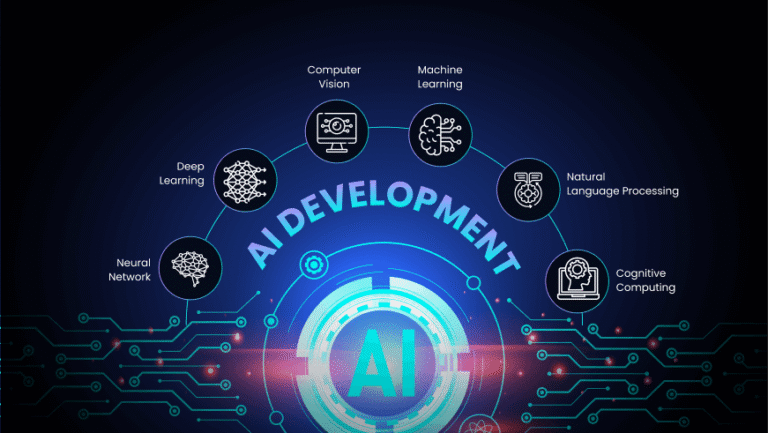
7. Artificial Intelligence & Machine Learning
AI enhances operational efficiency by predicting surplus patterns and optimizing matching processes.
Applications of AI in food donation platforms:
- Predicting donation demand
- Smart donor-recipient matching
- Route optimization for pickups
- Fraud detection
AI also supports broader initiatives related to food waste management app development, enabling organizations to analyze trends and reduce waste systematically.
8. Payment Gateway Integration
Some platforms allow monetary donations alongside food contributions. Secure payment integration ensures safe transactions.
Common payment solutions:
- Stripe
- PayPal
- Razorpay
Secure encryption protocols such as SSL and tokenization protect user financial data.
9. Admin Dashboard & Web Technologies
Beyond the mobile app, organizations require a web-based admin panel to manage users, monitor donations, and generate reports.
Frontend technologies include:
- React.js
- Angular
- Vue.js
Backend dashboards allow real-time monitoring, analytics, and system management.
Businesses planning to Build a food donation app should ensure that the admin dashboard is intuitive and scalable for long-term growth.
10. DevOps & Deployment Technologies
Efficient deployment ensures quick updates and smooth performance.
Key DevOps tools:
- Docker
- Kubernetes
- Jenkins
- GitHub Actions
These technologies streamline CI/CD pipelines, reduce downtime, and improve release cycles.
11. Security Technologies
Security is crucial when handling personal and location data.
Important security implementations:
- OAuth 2.0 authentication
- Two-factor authentication
- Data encryption
- Role-based access control
Organizations that hire food donation app developers with expertise in cybersecurity can better protect sensitive data and maintain user trust.
12. API Integrations
APIs enable seamless integration with third-party services such as:
- Logistics providers
- SMS gateways
- Email automation tools
- CRM systems
For example, integration with food delivery app development services can expand distribution capabilities and improve last-mile connectivity.
13. Analytics & Reporting Tools
Data-driven insights help NGOs and businesses optimize their operations.
Popular analytics tools:
- Google Analytics
- Mixpanel
- Power BI
Analytics dashboards track metrics such as food saved, beneficiaries served, and response times.
14. Scalability & Multi-Tenant Architecture
Large-scale platforms serving multiple cities or countries use multi-tenant architecture to support multiple organizations under one system. This approach is often adopted by Top food donation app development companies to deliver enterprise-grade solutions.
15. Industry-Specific Technology Integrations
Food donation apps may integrate with complementary digital services. For example:
- Platforms collaborating with a food truck website development company can connect surplus inventory with donation networks.
- Partnerships with logistics providers enhance real-time route management.
- Systems may integrate sustainability tracking tools for ESG reporting.
These integrations expand the ecosystem and create additional value for stakeholders.
Factors Influencing Technology Selection
Choosing the right technology stack depends on:
- Target audience size
- Expected traffic volume
- Budget constraints
- Feature complexity
- Long-term scalability goals
The overall food donation app development cost is directly influenced by these technology choices, as advanced features and AI integrations require additional investment.
Conclusion
Food donation apps are more than just digital platforms—they are powerful tools for social impact. By leveraging advanced mobile frameworks, cloud infrastructure, AI capabilities, and secure backend systems, organizations can build efficient and scalable solutions that reduce food waste and fight hunger.
Whether you’re a nonprofit, startup, or enterprise, choosing the right technology stack is critical to long-term success. Working with experienced developers and technology partners ensures your platform is secure, scalable, and ready to serve communities effectively.
Investing in modern development practices not only enhances operational efficiency but also strengthens your mission to create a sustainable and hunger-free future.

At Techratan, we bring you the latest updates from the world of technology and startups—covering breaking news, trends, funding updates, and industry insights. Our mission is to empower readers with accurate, timely, and engaging content that helps them stay ahead in the ever-changing tech landscape. Whether you’re an entrepreneur, investor, or tech enthusiast, Techrata is your trusted source for innovation-driven news.