WhatsApp Marketing: How to Sell More Without Annoying Customers
People skim emails and scroll past ads, but they often open WhatsApp messages within minutes. Why? It feels personal, it’s fast, and its permission based. A WhatsApp chat looks like a real conversation, not a billboard.
In this post, you’ll learn how WhatsApp marketing works, what to set up first, what to send (and when), plus how to stay compliant so your account stays healthy.
Start with the right setup, Business app vs WhatsApp Business Platform
The free WhatsApp Business app works well for solo owners and low message volume. You can manage chats, save quick replies, and keep things simple. However, once you have a team, need automation, or send higher volumes, the WhatsApp Business Platform (API-based) makes more sense. It supports multiple agents, integrations (like CRMs), and approved message templates.
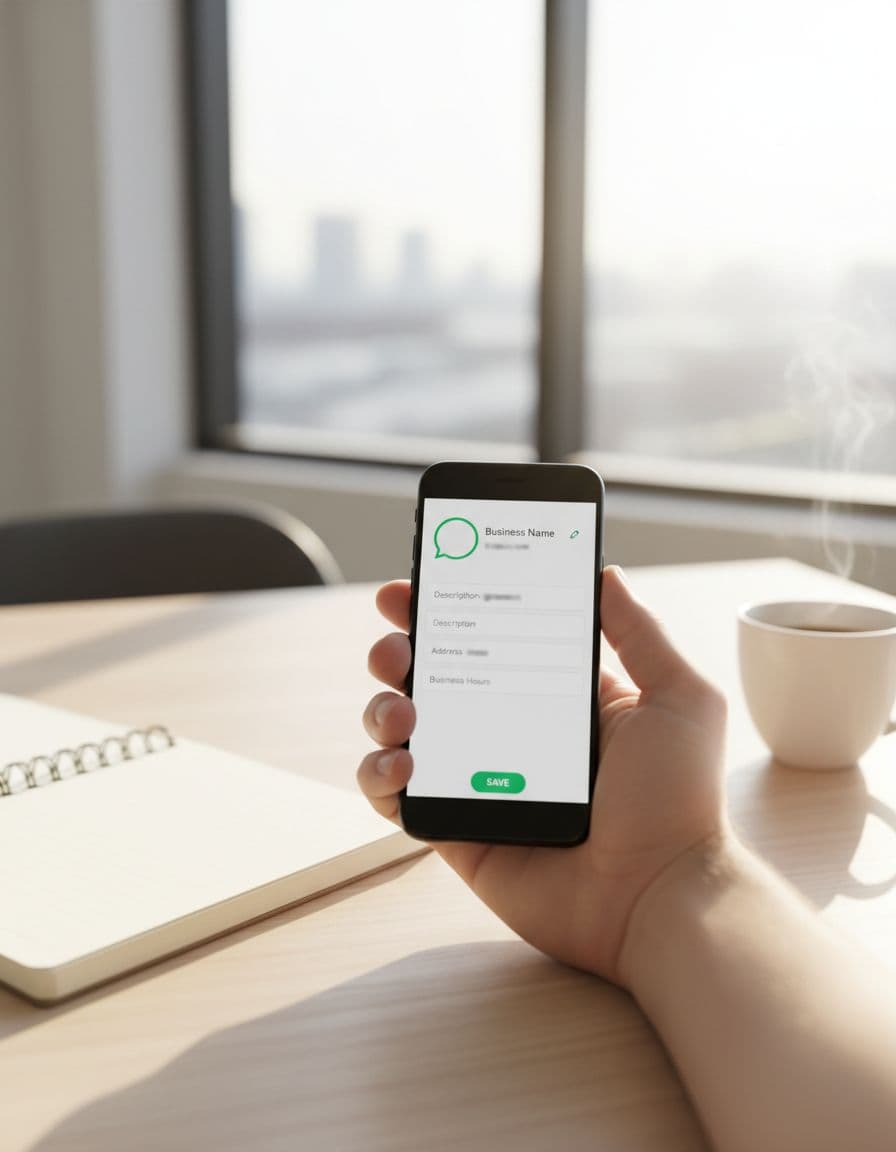
Either way, set the foundation before you broadcast anything. Start with your business profile, add a simple catalog if you sell products, and create quick replies for FAQs. Most importantly, build a clear opt-in process so people expect your messages.
The must do basics: profile, catalog, and quick replies
A few setup steps save hours later:
- Complete your business profile: Accurate hours, location, and website build trust and reduce “Are you open?” messages.
- Add a catalog (if relevant): A simple product list helps people browse, so they don’t ask for basics.
- Create quick replies and labels: Faster replies mean fewer missed leads, and labels help you follow up on time.
- Set greeting and away messages: You’ll look responsive, even when you’re offline.
How opt in and trust keep your account safe
Consent is simple: ask first, confirm, and make it easy to stop. If people report you as spam, WhatsApp can limit your reach. That hurts every future campaign.
A clean opt-in example: place a QR code at checkout that opens a chat, then send a first message like, “Reply YES to get updates.” Also, a website form or an Instagram bio link works well.
If a customer didn’t expect your message, it’s not marketing, it’s interruption.
Messages that drive sales without sounding spammy
Great WhatsApp marketing sounds like help from a person, not a robot. Keep lines short, focus on one goal per message, and end with a clear next step. Personalization helps (first name, last purchase), but don’t overdo it. Nobody wants a message that feels like it’s watching them.
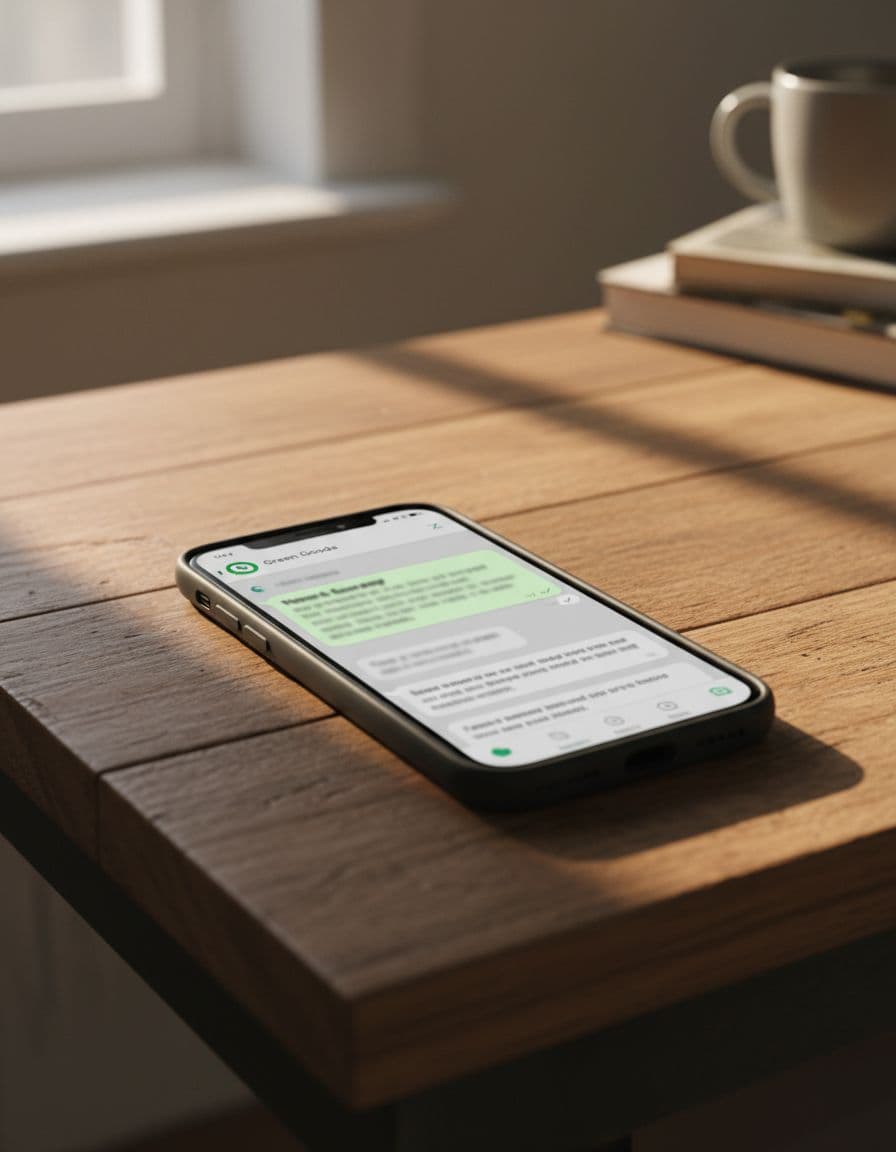
High performing WhatsApp campaigns you can copy
- Welcome message (send right after opt-in)
- New product drop (same day, then one reminder)
- Back in stock (send within an hour of restock)
- Appointment reminder (24 hours before, then 2 hours before)
- Delivery update (triggered when status changes)
- Limited-time offer (one send, one last call)
Send during waking hours, and don’t blast daily promos. Consistency beats noise.
A simple message framework: hook, help, next step
Aim for under 300 characters when you can.
Hook: “Hi Maya, your size is back.”
Help: “The black running shoes you asked about just re-stocked.”
Next step: “Want the link?”
Test two versions, one short and one slightly longer. For more ideas, see these WhatsApp introduction message examples.
Measure what matters and improves each week
You don’t need heavy analytics. Track a few signals, then adjust one thing at a time. Labels and tags help, and a CRM makes it easier to tie chats to revenue. Also watch your time to first response, because slow replies kill intent.
The 5 metrics to track and what they tell you
- Delivered rate: Tells you if your list and numbers are healthy.
- Read rate: Shows if your first line earns attention.
- Reply rate: Proves if the message feels worth answering.
- Link clicks: Indicates real buying intent, not just curiosity.
- Conversions: Confirms which campaigns bring sales.
A simple goal: keep reply rate above 10%, and cut first response time by 20% this month.
Common mistakes to fix fast
Messaging without opt-in; add a clear YES/STOP flow. Sending long paragraphs; break lines and cut fluff. No clear CTA; ask for one action. Ignoring replies; assign an owner and a response window. Too many promos; mix in updates and helpful tips, then segment by interest.
Conclusion
WhatsApp marketing works because it feels human. Set up your account correctly, earn opt-in, send helpful messages, and track a few metrics each week. Then improve in small steps, not giant overhauls.
Pick one campaign today, a welcome message or a back-in-stock alert and launch it this week. Momentum beats planning forever.

At Techratan, we bring you the latest updates from the world of technology and startups—covering breaking news, trends, funding updates, and industry insights. Our mission is to empower readers with accurate, timely, and engaging content that helps them stay ahead in the ever-changing tech landscape. Whether you’re an entrepreneur, investor, or tech enthusiast, Techrata is your trusted source for innovation-driven news.