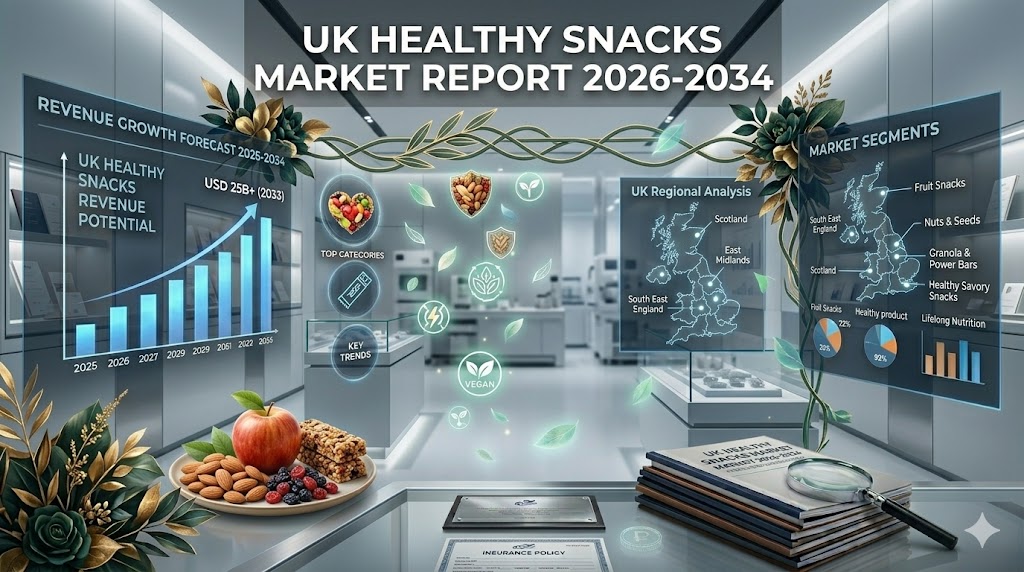
In recent years, the way people in the United Kingdom consume food has undergone a significant transformation. The traditional “three square meals a day” concept is increasingly being supplemented – or in some cases, replaced – by a more fluid “grazing” culture. However, unlike the high-sugar, high-salt snack booms of the past, the current movement is defined by a rigorous focus on nutrition, convenience, and functional benefits.
According to the latest strategic analysis by IMARC Group, the UK healthy snacks market reached a valuation of USD 3.2 Billion in 2025. This sector is now poised for a period of robust expansion, with projections suggesting it will reach USD 5.0 Billion by 2034. This growth represents a steady Compound Annual Growth Rate (CAGR) of 4.99% during the forecast period of 2026-2034.
Why the UK is Choosing Healthy Snacks
The surge in the UK healthy snacks market is not a random occurrence. It is the result of a powerful convergence of health awareness, busy modern lifestyles, and a digital-first retail environment.
- The Rise of Health and Wellness Consciousness
The most influential driver is a heightened public awareness of lifestyle-related health issues, such as obesity, diabetes, and cardiovascular disorders. Consumers are no longer viewing snacks as “guilty pleasures” but as opportunities to fuel their bodies. This shift has led to a decline in traditional snacks high in saturated fats and refined sugars, replaced by products that offer high fiber, high protein, and essential nutrients.
- The Demand for Convenience
As the pace of life in the UK accelerates, the need for quick, “on-the-go” meal replacements has never been higher. Healthy snacks provide a convenient solution for busy professionals, students, and parents who require nutrition without the time investment of traditional meal preparation.
- Social Media and Influencer Impact
Social media platforms like Instagram and TikTok have become vital discovery tools for new brands. Influencers focusing on fitness and holistic wellness frequently showcase healthy snack alternatives, turning niche products into mainstream must-haves. This digital word-of-mouth has significantly lowered the barrier to entry for innovative, health-focused startups.
Sample Request For Your Business
The E-Commerce Revolution: D2C and Digital Growth
The digital landscape has fundamentally changed how healthy snacks are sold in the UK. E-commerce platforms provide consumers with access to a vastly wider selection of specialized products – such as vegan, gluten-free, or keto-friendly options – that might not be available in smaller local shops.
The Direct-to-Consumer (D2C) Advantage Many healthy snack brands are bypassing traditional retail middlemen to sell directly to consumers. This approach allows brands to:
- Offer competitive pricing by cutting out retail margins.
- Foster deeper customer relationships through subscription services.
- Utilize personalized marketing based on direct consumer data.
With the UK e-commerce market expected to grow at a CAGR of 18.50% through 2032, the online channel is set to become a primary battleground for healthy snack brands.
Key Product Segments in the UK Market
The UK healthy snacks market is highly diversified, catering to a wide range of dietary needs and taste preferences.
Nuts, Seeds, and Trail Mixes
This remains a staple segment of the market. Known for being naturally high in healthy fats and proteins, these snacks appeal to consumers looking for “whole food” options. Innovation in this space includes unique seasoning blends and sprouted varieties that enhance nutrient absorption.
Cereals and Granola Bars
Cereal bars have evolved from simple lunchbox fillers to sophisticated functional foods. Many modern granola bars in the UK are now formulated with high protein content and low sugar, specifically targeting the post-workout and morning-commute demographics.
Dried Fruit Snacks
As consumers look for natural ways to satisfy their sweet tooth, dried fruit snacks have seen a resurgence. These products provide the benefit of fiber and vitamins without the added artificial sweeteners found in traditional confectionery.
Meat Snacks
The “high-protein” trend has given rise to a sophisticated meat snack market, including premium jerky and biltong. These products are increasingly marketed toward health-conscious men and fitness enthusiasts looking for savory, low-carb satiety.
Regional Dynamics: London and Beyond
While the demand for healthy snacks is national, certain regions lead the way in terms of market share and trend adoption.
- London: As the primary corporate and cultural hub, London sees the highest concentration of “on-the-go” snacking. The city’s high density of health-conscious professionals drives the demand for premium, specialty, and D2C snack services.
- South East and North West: These regions follow closely, characterized by high urbanization and a robust retail infrastructure that supports both physical and online distribution.
- Scotland and the East of England: These areas are seeing growing interest in organic and locally-sourced healthy snacks, reflecting a broader trend toward sustainable consumption.
Notable Industry Developments and News
The competitive landscape of the UK healthy snacks market is marked by significant investments and strategic acquisitions as major food companies look to solidify their presence in the health sector.
Acquisition of Deliciously Ella In September 2024, the global food company The Hero Group announced the acquisition of Deliciously Ella, a prominent UK-based brand. This move signals Hero’s intent to dominate the natural food space, leveraging Deliciously Ella’s strong brand equity and mission-driven approach to healthy eating.
Innovation in Manufacturing In May 2023, Petrow announced a major investment in a new manufacturing facility in Haverhill, Suffolk. This facility is specifically designed for snack bar production and features proprietary techniques for adding high protein content to bars and nut butters, showcasing the industry’s commitment to functional food technology.
Reinventing the Snack Vision Major brands like Graze are also evolving. In April 2023, Graze announced a significant update to its range to help retailers capitalize on the “HFSS” (High in Fat, Sugar, and Salt) regulatory environment. By focusing on nutritious yet exciting flavors, Graze aims to prove that healthy snacking can be an authentic and enjoyable experience rather than a compromise.
Conclusion:
The UK healthy snacks market is currently in a state of high-velocity growth. From its USD 3.2 Billion base in 2025 to a projected USD 5.0 Billion by 2034, the trajectory is clear. The British consumer is no longer willing to sacrifice health for convenience – they demand both.
For manufacturers and retailers, the path forward involves embracing e-commerce, prioritizing protein and fiber content, and navigating the regulatory landscape with products that are as nutritious as they are delicious. As “grazing” becomes the new standard of eating, the brands that can provide functional, ethical, and tasty snacks will lead the UK’s food industry into a healthier future.

At Techratan, we bring you the latest updates from the world of technology and startups—covering breaking news, trends, funding updates, and industry insights. Our mission is to empower readers with accurate, timely, and engaging content that helps them stay ahead in the ever-changing tech landscape. Whether you’re an entrepreneur, investor, or tech enthusiast, Techrata is your trusted source for innovation-driven news.