How Much Does It Cost to Build a CRM for IT Businesses?
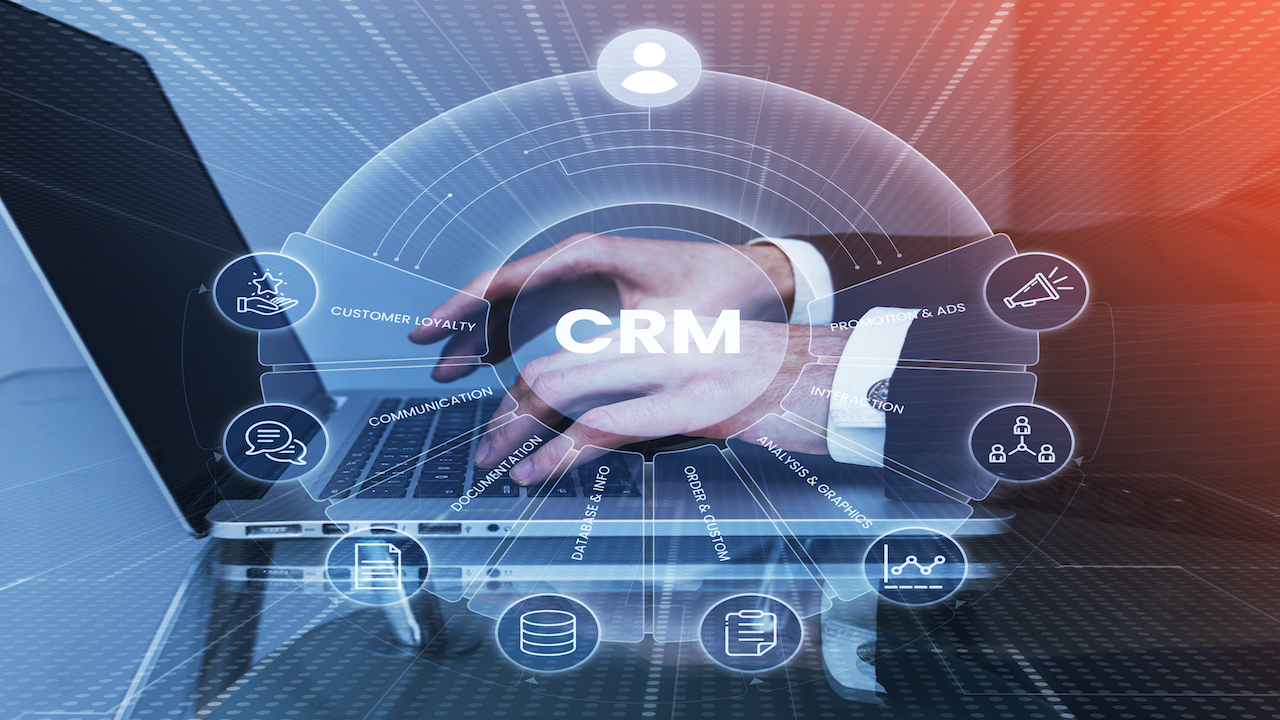
Customer Relationship Management systems have become a backbone for modern IT businesses. From managing leads and clients to tracking projects, support tickets, and long-term relationships, a CRM helps IT companies stay organized and scalable. However, one of the most common questions decision-makers ask is: How much does it actually cost to build a CRM for an IT business?
- Why IT Businesses Need a Custom CRM
- Key Factors That Affect CRM Development Cost
- 1. Scope and Features
- 2. Customization Level
- 3. Technology Stack
- 4. Integration Requirements
- 5. Security and Compliance
- Cost Breakdown by CRM Type
- In-House vs Outsourced Development
- Ongoing Maintenance and Hidden Costs
- Is It Worth the Investment?
- How to Reduce CRM Development Costs Without Sacrificing Quality
- Final Thoughts
The answer isn’t a flat number. CRM pricing depends on multiple technical, functional, and strategic factors. In this article, we’ll break down everything that influences the CRM software development cost, helping you make an informed decision before investing.
Why IT Businesses Need a Custom CRM
IT businesses operate differently from traditional sales-driven industries. They often juggle long sales cycles, technical consultations, project milestones, recurring contracts, and post-delivery support. Generic CRMs may cover basic sales tracking, but they usually fall short when it comes to IT-specific workflows.
A custom CRM allows IT companies to:
-
Manage leads, proposals, and contracts in one place
-
Track projects, resources, and delivery timelines
-
Integrate support tickets and client communication
-
Analyze performance, revenue, and customer lifetime value
This flexibility is why many IT firms choose to build their own CRM rather than rely entirely on off-the-shelf tools.
Key Factors That Affect CRM Development Cost
1. Scope and Features
The biggest cost driver is functionality. A basic CRM with contact management and lead tracking will cost significantly less than a feature-rich system with automation, analytics, and integrations.
Common features include:
-
Lead and client management
-
Sales pipeline tracking
-
Project and task management
-
Email and communication logs
-
Reporting and dashboards
-
Role-based access control
Advanced features like AI-driven insights, workflow automation, and predictive analytics can substantially increase the budget.
2. Customization Level
A highly customized CRM built specifically for your internal workflows will cost more than a lightly customized solution. If your IT business has unique approval flows, pricing models, or delivery processes, development time and complexity will rise accordingly.
Customization ensures better adoption but also requires detailed planning, UX design, and testing.
3. Technology Stack
The choice of technologies impacts both initial cost and long-term maintenance. Modern CRMs often use:
-
Frontend frameworks like React or Angular
-
Backend technologies such as Node.js, Python, or .NET
-
Databases like PostgreSQL or MongoDB
-
Cloud platforms like AWS or Azure
More scalable and secure technologies typically require higher-skilled developers, which affects pricing.
4. Integration Requirements
Most IT businesses already use tools like accounting software, project management platforms, email services, or helpdesk systems. Integrating your CRM with these tools adds development time and testing effort.
Each third-party API integration increases complexity and cost but significantly improves operational efficiency.
5. Security and Compliance
IT companies often handle sensitive client data. Implementing strong security measures such as encryption, audit logs, multi-factor authentication, and compliance standards (like GDPR) adds to the overall investment but is non-negotiable for enterprise-grade solutions.
Cost Breakdown by CRM Type
Basic CRM
-
Core contact and lead management
-
Simple reporting
-
Limited customization
Estimated cost: $10,000 – $25,000
Mid-Level CRM
-
Sales and project tracking
-
Automation workflows
-
Third-party integrations
Estimated cost: $25,000 – $60,000
Advanced Enterprise CRM
-
Fully customized workflows
-
Advanced analytics and dashboards
-
High-level security and scalability
Estimated cost: $60,000 – $150,000+
These ranges vary depending on location, team structure, and long-term support requirements.
In-House vs Outsourced Development
Some IT firms consider building a CRM with their internal team. While this may reduce dependency on vendors, it can slow down delivery and divert resources from core business activities.
Working with a specialized CRM software development company often results in faster development, better architecture, and long-term reliability. External teams bring domain expertise and proven development frameworks that reduce trial-and-error costs.
Ongoing Maintenance and Hidden Costs
CRM development doesn’t end at launch. You should also budget for:
-
Regular updates and feature enhancements
-
Bug fixes and performance optimization
-
Server and cloud hosting
-
Technical support and user training
Annual maintenance costs typically range from 15% to 25% of the initial development budget.
Is It Worth the Investment?
Yes—if done right. A well-designed CRM improves productivity, enhances customer experience, and provides actionable insights that drive growth. For IT businesses, the ROI often comes from better project visibility, improved client retention, and streamlined operations.
If your goal is to Build a CRM software that aligns perfectly with your business processes, investing upfront can save significant costs and inefficiencies in the long run.
How to Reduce CRM Development Costs Without Sacrificing Quality
-
Start with an MVP and scale features gradually
-
Prioritize must-have features over nice-to-have ones
-
Use modular architecture for future expansion
-
Choose cloud infrastructure wisely
-
Clearly define requirements before development starts
Careful planning can prevent scope creep and unnecessary expenses.
Final Thoughts
The cost of building a CRM for IT businesses depends on functionality, customization, technology, and long-term goals. Whether you’re a startup or an established IT firm, the key is aligning your CRM investment with measurable business outcomes.
When you decide to hire CRM software developers, focus not just on price but on experience, communication, and post-launch support. A thoughtfully built CRM isn’t just a tool—it’s a strategic asset that grows with your business.

At Techratan, we bring you the latest updates from the world of technology and startups—covering breaking news, trends, funding updates, and industry insights. Our mission is to empower readers with accurate, timely, and engaging content that helps them stay ahead in the ever-changing tech landscape. Whether you’re an entrepreneur, investor, or tech enthusiast, Techrata is your trusted source for innovation-driven news.