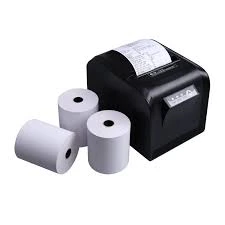
Barcode Printer: A Complete Guide for Business Use
Barcode Printer Explained for Modern Businesses
A barcode printer is an essential tool for businesses that deal with inventory, products, or tracking systems. From retail stores to warehouses and logistics companies, barcode printers help create accurate labels that improve speed, reduce errors, and simplify daily operations. As businesses grow, manual labeling becomes inefficient, which is why barcode printing is so important.
- What Is a Barcode Printer?
- How a Barcode Printer Works
- Types of Barcode Printers
- Direct Thermal Barcode Printer
- Thermal Transfer Barcode Printer
- Desktop Barcode Printer
- Industrial Barcode Printer
- Common Uses of a Barcode Printer
- Benefits of Using a Barcode Printer
- Key Features to Look for in a Barcode Printer
- Barcode Printer vs Regular Printer
- Maintenance Tips for Barcode Printers
- Choosing the Right Barcode Printer for Your Business
- Final Thoughts
In this guide, we will explain what a barcode printer is, how it works, its types, benefits, and how to choose the right one for your business needs.
What Is a Barcode Printer?
A barcode printer is a specialized printer designed to print barcode labels and tags. These labels contain machine-readable codes that store product or tracking information. Barcode printers are commonly used to print labels for products, shelves, shipping boxes, and asset tracking.
Unlike regular office printers, barcode printers are built for precision, durability, and high-volume printing. They produce clear, scannable barcodes that work reliably with barcode scanners.
How a Barcode Printer Works
Printing Process
A barcode printer receives data from a computer or POS system. This data includes the barcode type, product details, and label size. The printer then prints the barcode onto labels using heat or ink-based technology.
Barcode Accuracy
Barcode accuracy is critical. A high-quality barcode printer ensures that barcodes are printed with sharp lines and proper spacing so scanners can read them without errors.
Types of Barcode Printers
Direct Thermal Barcode Printer
Direct thermal printers use heat-sensitive paper and do not require ink or ribbons. They are ideal for short-term labels, such as shipping labels and receipts.
Thermal Transfer Barcode Printer
Thermal transfer printers use a ribbon to print on labels. The print quality lasts longer, making them suitable for product labels and warehouse use.
Desktop Barcode Printer
Desktop barcode printers are compact and affordable. They are commonly used in retail stores, small offices, and pharmacies.
Industrial Barcode Printer
Industrial barcode printers are designed for heavy-duty use. They can handle large print volumes and harsh environments such as factories and warehouses.
Common Uses of a Barcode Printer
Barcode printers are used across many industries. Some common applications include:
- Product labeling in retail stores
- Inventory management in warehouses
- Shipping and logistics labels
- Asset tracking in offices and hospitals
- Price tags and shelf labels
A barcode printer helps maintain accuracy and consistency across all these tasks.
Benefits of Using a Barcode Printer
Using a barcode printer offers several practical advantages for businesses.
- Faster labeling and processing
- Reduced human errors
- Improved inventory tracking
- Better product identification
- Professional-looking labels
These benefits help businesses save time, reduce costs, and improve overall efficiency.
For more articles, thermal paper rolls
Key Features to Look for in a Barcode Printer
Print Resolution
Higher resolution produces clearer barcodes. This is especially important for small labels or detailed barcodes.
Print Speed
Print speed matters for businesses that print labels in bulk. Faster printers improve workflow during busy hours.
Connectivity Options
Modern barcode printers support USB, Ethernet, Bluetooth, and Wi-Fi connections, making them easy to integrate with POS systems.
Label Compatibility
Always check which label sizes and materials the barcode printer supports. Compatibility ensures smooth operation without frequent adjustments.
Barcode Printer vs Regular Printer
A regular printer can print barcodes, but it is not designed for consistent barcode quality. Barcode printers are optimized for label printing and produce reliable results even at high volumes. For businesses that depend on scanning accuracy, a dedicated barcode printer is the better choice.
Maintenance Tips for Barcode Printers
Proper maintenance helps extend the life of a barcode printer.
- Clean the print head regularly
- Use recommended labels and ribbons
- Avoid dust and moisture
- Perform routine checks
Simple care ensures consistent print quality and fewer breakdowns.
Choosing the Right Barcode Printer for Your Business
When selecting a barcode printer, consider your business size, daily print volume, and label usage. Small retail shops may need a desktop printer, while warehouses benefit from industrial models. Choosing the right printer ensures long-term reliability and cost efficiency.
Final Thoughts
A barcode printer is more than just a printing device. It is a critical part of modern business operations. Whether you manage inventory, ship products, or label items daily, a reliable barcode printer improves accuracy and productivity.
By understanding the types, features, and uses of a barcode printer, businesses can make informed decisions and build efficient systems that support growth and smooth operations.
Related more articles, visit by here

At Techratan, we bring you the latest updates from the world of technology and startups—covering breaking news, trends, funding updates, and industry insights. Our mission is to empower readers with accurate, timely, and engaging content that helps them stay ahead in the ever-changing tech landscape. Whether you’re an entrepreneur, investor, or tech enthusiast, Techrata is your trusted source for innovation-driven news.