The Impact of Blockchain on Commodity Markets: Tokenizing Gold and Oil for Modern Investors
Commodity markets have traditionally operated under a centralized and highly regulated framework, relying on physical ownership, intermediaries, and legacy trading systems. Gold, oil, and other commodities have long served as essential tools for wealth preservation, hedging against inflation, and portfolio diversification. However, these markets often face challenges, including high transaction costs, limited liquidity, and geographical barriers for global investors.
- Understanding Commodity Tokenization
- How Tokenization Works for Gold and Oil
- 1. Asset Verification and Custody
- 2. Legal and Compliance Framework
- 3. Blockchain Integration and Smart Contracts
- 4. Token Issuance and Market Access
- Advantages of Tokenizing CommoditiesIncreased Liquidity
- Implications for Investors
- Challenges in Commodity Tokenization
- Use Cases in Gold and Oil Markets
- The Future of Tokenized Commodities
- Conclusion
The emergence of blockchain technology and the concept of tokenization are redefining how commodities are bought, sold, and owned. By converting physical commodities into digital tokens, blockchain enables fractional ownership, enhanced liquidity, and seamless access to global markets. This transformation is particularly impactful for gold and oil, two of the most historically significant commodities in the global financial system.
Understanding Commodity Tokenization
Commodity tokenization involves creating a digital representation of a physical commodity on a blockchain. Each token represents a fixed amount or fraction of the underlying commodity, such as one gram of gold or one barrel of oil. The ownership of these tokens is recorded on a decentralized ledger, providing a verifiable and immutable record.
How Tokenization Works for Gold and Oil
1. Asset Verification and Custody
The first step in commodity tokenization is ensuring that the underlying asset exists and is securely stored. For gold, this often involves trusted vaults with third-party audits to guarantee authenticity and purity. For oil, verification may include agreements with storage facilities, refineries, or commodity producers to ensure that the token represents a tangible quantity of the resource.
2. Legal and Compliance Framework
Tokenization must align with securities laws and commodity regulations in relevant jurisdictions. Legal frameworks define the relationship between token holders and the underlying asset, including ownership rights, redemption mechanisms, and profit-sharing arrangements, such as interest on stored oil or yields from leased gold reserves.
3. Blockchain Integration and Smart Contracts
Once verified, the asset is digitized through blockchain technology. Smart contracts govern ownership rights, transaction rules, and dividend or yield distributions. These contracts automate processes that traditionally required intermediaries, such as transfers, auditing, and settlement.
4. Token Issuance and Market Access
Digital tokens are issued to investors via specialized platforms or exchanges. These tokens can be traded on secondary markets, providing liquidity and enabling investors to enter and exit positions without the constraints of physical delivery or complex contractual agreements.
Advantages of Tokenizing CommoditiesIncreased Liquidity
Traditional commodity markets often involve lengthy settlement cycles and significant transaction costs. Tokenization allows for near-instant trading, enabling investors to liquidate positions quickly. Fractional ownership further increases market participation and trading volume.
Accessibility for Small Investors
Gold and oil are high-value commodities, often requiring substantial capital for meaningful investment. Tokenization reduces the minimum investment threshold, democratizing access to these markets and allowing broader participation across retail and institutional investors.
Transparency and Security
Blockchain’s decentralized ledger ensures that all transactions are transparent, verifiable, and immutable. Investors can track ownership and movement of tokens in real time, enhancing trust and reducing the risk of fraud.
Cost Reduction
By automating processes and reducing reliance on intermediaries, tokenization minimizes administrative and transaction costs. Investors and traders benefit from lower fees compared to traditional commodity trading infrastructures.
Global Market Integration
Tokenized commodities can be accessed by investors worldwide, subject to regulatory compliance. This global reach expands capital inflows and enhances price discovery for the underlying assets.
Implications for Investors
Portfolio Diversification
Tokenized commodities provide investors with new tools for diversification. Gold tokens offer inflation hedging and a safe-haven asset, while oil tokens provide exposure to energy markets without the complexities of storage and logistics.
Flexibility and Trading Efficiency
Digital tokens can be bought or sold 24/7 through blockchain-enabled exchanges. Investors can react to market fluctuations more efficiently than in traditional commodity markets, improving liquidity management and hedging strategies.
Enhanced Risk Management
Smart contracts enable automatic enforcement of ownership rights, settlement rules, and profit-sharing mechanisms. This reduces counterparty risk and ensures that investors’ interests are protected, even in complex transactions.
Challenges in Commodity Tokenization
Regulatory Uncertainty
Different countries classify tokenized commodities differently, leading to a complex regulatory landscape. Compliance with securities, commodities, and anti-money laundering regulations is essential but can be challenging.
Technological Risks
Blockchain networks are generally secure, but vulnerabilities in smart contracts or storage systems can pose risks. Investors and platforms must implement robust cybersecurity and auditing measures.
Market Maturity
Tokenized commodity markets are still developing. Liquidity in secondary markets may be limited initially, and widespread adoption requires education and trust-building among investors.
Use Cases in Gold and Oil Markets
Gold-Backed Tokens
Gold-backed tokens allow investors to own fractional units of gold without the need for physical storage. These tokens can serve as collateral, be traded globally, or provide exposure to gold price movements for portfolio diversification.
Oil-Linked Tokens
Oil tokens represent ownership of barrels of oil or oil futures contracts. They provide exposure to energy markets without requiring storage, transport, or refinery access. Investors can trade oil tokens, hedge against energy price volatility, or gain indirect exposure to global supply-demand dynamics.
Commodity-Backed Investment Funds
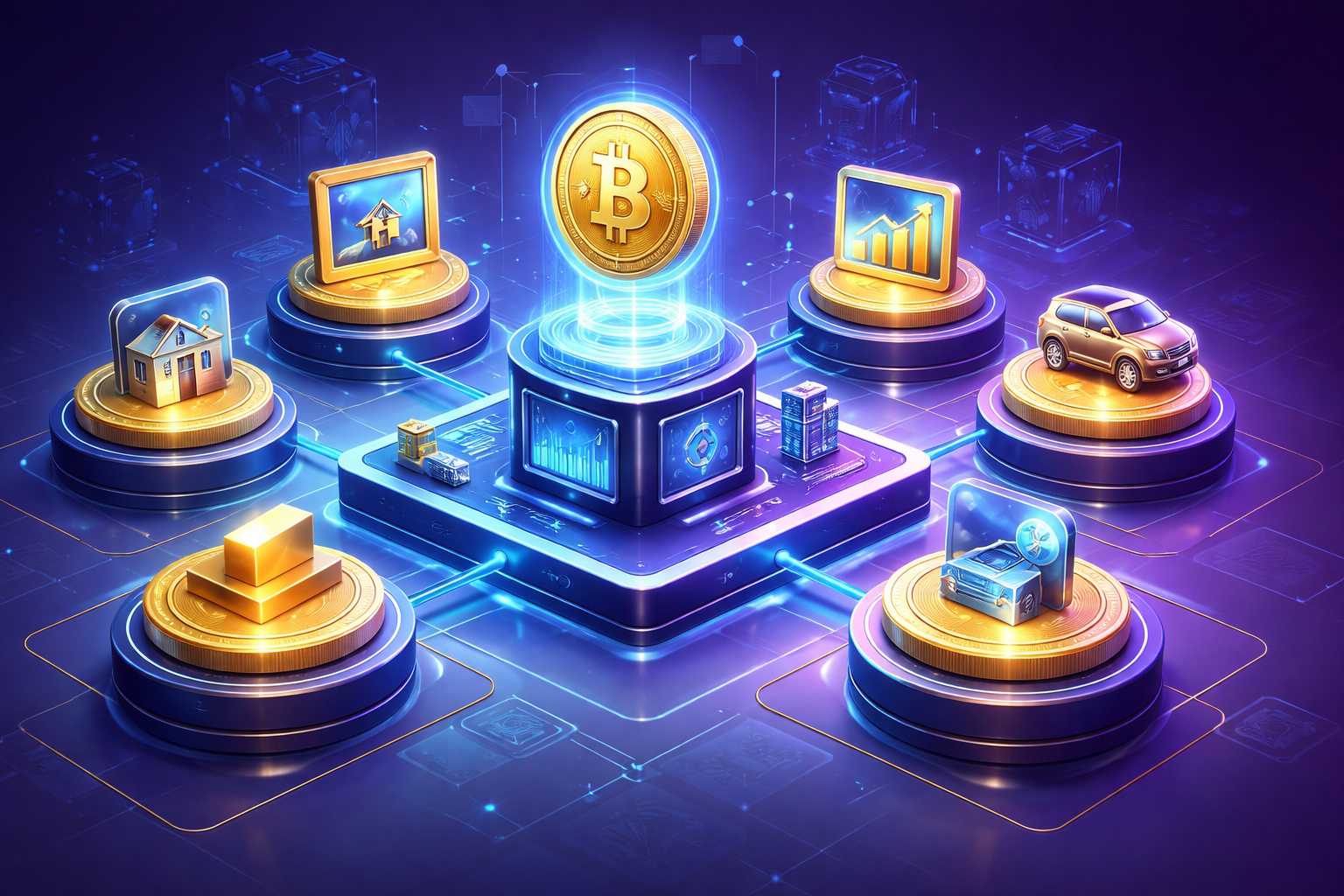
Tokenization enables the creation of commodity-backed funds, where multiple assets are digitized and traded as a single portfolio. This allows for automated diversification, liquidity management, and transparent reporting.
The Future of Tokenized Commodities
The adoption of blockchain in commodity markets is expected to grow as investors seek more efficient, accessible, and transparent investment vehicles. Regulatory clarity, coupled with technological advancements in blockchain scalability and interoperability, will further accelerate adoption.
Tokenized commodities may become integrated with broader digital finance ecosystems, including decentralized finance (DeFi), enabling features like lending, staking, and automated trading. This could transform traditional commodity trading, making it faster, more inclusive, and better aligned with global investment trends.
Conclusion
Blockchain and tokenization are reshaping the commodity markets by bridging the gap between physical assets and digital financial ecosystems. By converting gold and oil into tokenized assets, modern investors gain access to liquidity, transparency, and global markets previously unavailable through conventional methods.
Tokenization empowers investors with fractional ownership, enhanced trading efficiency, and robust risk management tools. While challenges such as regulatory complexity and technological risks remain, the potential to democratize access to commodities and transform investment strategies is substantial. As blockchain technology matures, tokenized commodities are poised to become a mainstream tool for modern investors seeking efficient and innovative exposure to global markets.

At Techratan, we bring you the latest updates from the world of technology and startups—covering breaking news, trends, funding updates, and industry insights. Our mission is to empower readers with accurate, timely, and engaging content that helps them stay ahead in the ever-changing tech landscape. Whether you’re an entrepreneur, investor, or tech enthusiast, Techrata is your trusted source for innovation-driven news.